
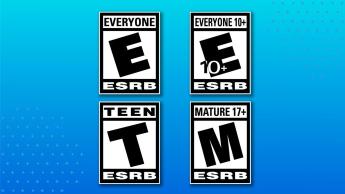
The ESRB has confirmed it will not adopt PEGI's new age-rating criteria in the U.S., which includes assessing in-game purchases like loot boxes. This decision was made to avoid confusion among parents, as the ESRB prefers to keep age ratings focused on game content rather than additional monetization features. PEGI's changes, set to be implemented in June, could significantly affect the ratings of popular titles, such as EA Sports FC and Pokémon Pokopia, as these games may require reassessment under the new guidelines. The changes reflect a growing effort to enhance clarity in video game ratings amid rising concerns about child safety and spending.
What are the new PEGI age-rating criteria changes and how might they affect game ratings?PEGI's new criteria introduce four categories that will now account for the presence of paid random items in games. This may lead to higher age ratings for some games when reassessed. Under these guidelines, titles might shift from a PEGI 3 rating to PEGI 16 or PEGI 7, especially for live service games that encourage ongoing engagement, impacting how games address in-game purchases and their effects on player demographics.
Pokémon Pokopia is a recent spin-off in the Pokémon franchise that encourages player interaction with its gameplay mechanics, including design elements prompting players to return regularly. A change to its rating from PEGI 3 to PEGI 7 may stem from these factors under PEGI's new guidelines, which aim to inform parents more effectively about potential in-game interactions and monetization strategies.




Samira Khan
Samira Khan is a narrative enthusiast with a keen eye for storytelling in games. Her literary approach to game criticism examines themes, character development, and plot structure, earning her a following among gamers who appreciate the art of narrating.
Read more articles from Samira Khan


Comments
It's a classic case of two different philosophies on how to protect players, especially younger ones. The ESRB's stance keeps things simple, but PEGI's move feels like a necessary, if overdue, step to address modern gaming's monetization realities.
Interesting to see the ESRB stick to its guns on content-focused ratings, while PEGI's new approach could really shake up how parents view live service games. Honestly, it's a good reminder that age ratings are evolving, but the real test will be whether these changes actually help families make better choices.