
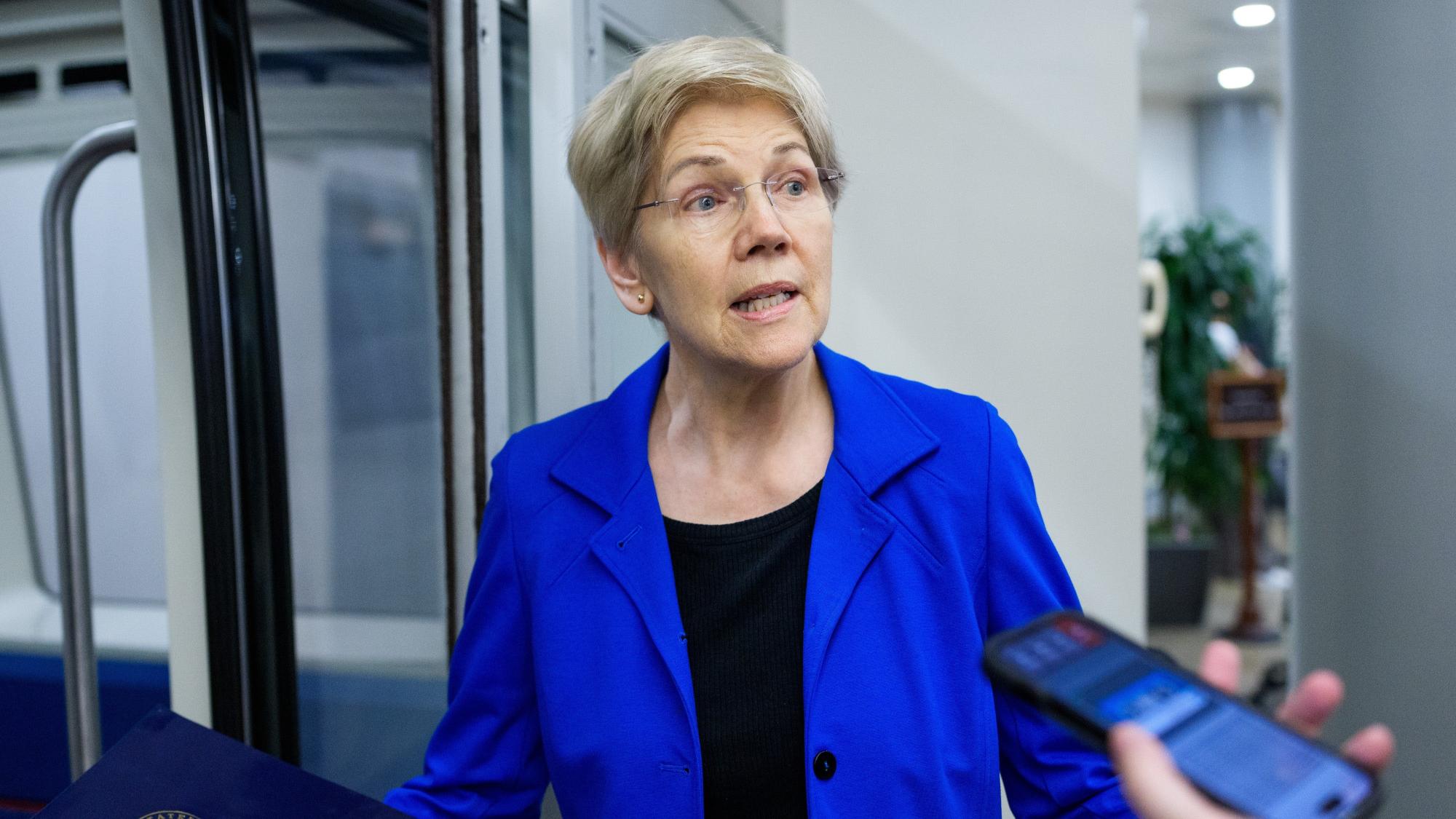
Senator Elizabeth Warren has raised concerns regarding Netflix's proposed $82.7 billion buyout of Warner Bros., labeling it an "anti-monopoly nightmare." Warren argues that such a merger would threaten jobs and drive up subscription costs, allowing Netflix to monopolize nearly half of the streaming market. Other lawmakers, including US Representative Pramila Jayapal, echoed these concerns, suggesting that the deal could result in higher subscription prices, standardized content, and reduced artistic control. Netflix, however, maintains that the merger will be beneficial for consumers and creators, with plans to keep the two companies operating independently while awaiting regulatory review.
What are the implications of the Netflix-Warner Bros. merger on the streaming industry?The merger could significantly consolidate power within the streaming market, possibly leading to fewer choices for consumers, increased subscription fees, and a homogenization of content offered. The regulatory scrutiny ahead may influence how streaming services operate and expand moving forward.
Both Netflix and Warner Bros. are major players in the entertainment industry. Netflix has revolutionized the way audiences consume media and is now seeking to enhance its portfolio by incorporating Warner Bros.' extensive catalog. Warner Bros., known for a diverse array of popular franchises and films, brings valuable intellectual property to the table, which Netflix hopes to leverage for future growth and development in the increasingly competitive streaming market.



Samira Khan
Samira Khan is a narrative enthusiast with a keen eye for storytelling in games. Her literary approach to game criticism examines themes, character development, and plot structure, earning her a following among gamers who appreciate the art of narrating.
Read more articles from Samira Khan


Comments
No comments yet. Be the first to comment!