
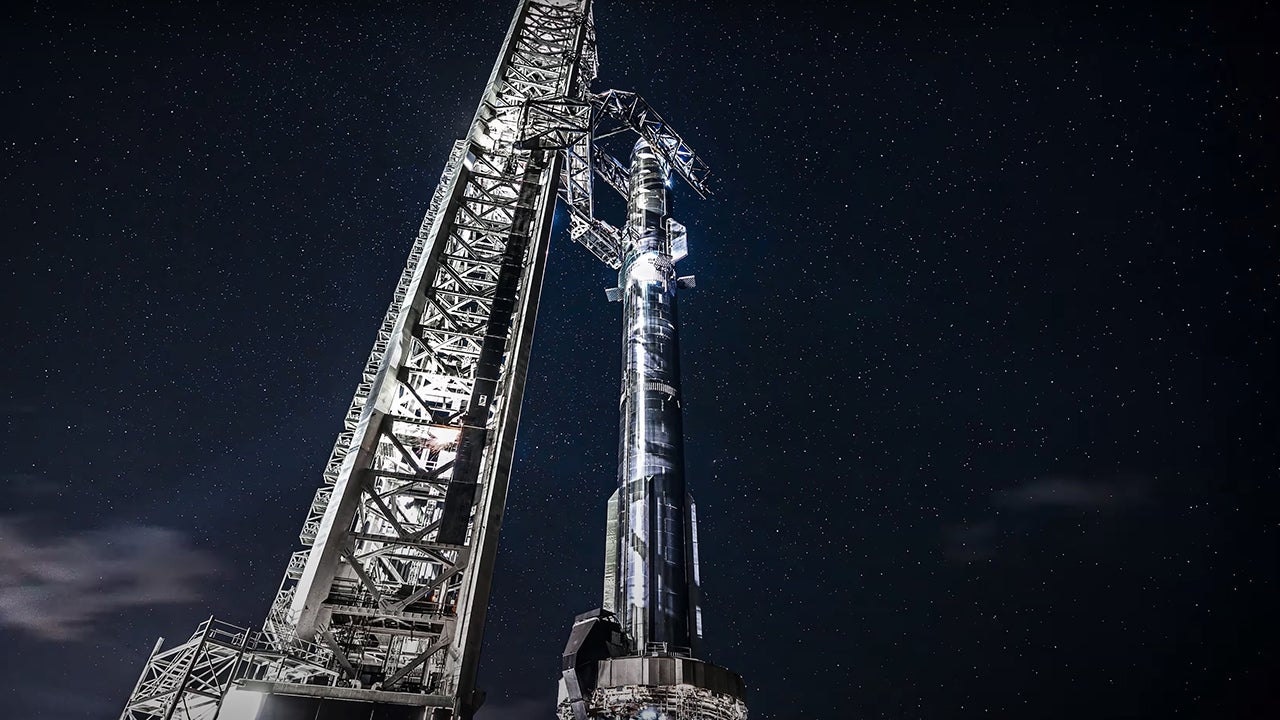
SpaceX is gearing up for an ambitious second flight test of its Starship super heavy vehicle. The company has received a green light from the Federal Aviation Administration (FAA) following a detailed investigation into the previous launch attempt, which ended in an explosion. This launch is crucial for SpaceX's long-term goal of space exploration, including missions to Mars and establishing a lunar base to support deeper space endeavors.
The test, scheduled for November 17, will see the Starship attempt to reach a suborbital trajectory before performing a controlled landing in the Pacific Ocean. The booster will land in the Gulf of Mexico. SpaceX has worked extensively to improve both the Starship and its ground-based infrastructure to address issues from the first launch. Such improvements include adopting a 'hot staging' separation technique, upgrading fuel leak mitigation systems, and reinforcing the launch pad with a new steel flame deflector and water deluge system.
The mission will be streamed live, allowing enthusiasts to witness the flight, which will provide SpaceX with critical data to enhance future iterations of the Starship launcher. Although there is always a possibility of weather or technical delays, SpaceX remains optimistic about the upcoming test. Success is defined broadly here—since the main goal is to gather data, simply clearing the launch pad would be considered a win for the mission.




Samira Khan
Samira Khan is a narrative enthusiast with a keen eye for storytelling in games. Her literary approach to game criticism examines themes, character development, and plot structure, earning her a following among gamers who appreciate the art of narrating.
Read more articles from Samira Khan


Comments
No comments yet. Be the first to comment!