
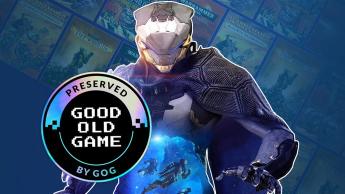
Game preservation is becoming a hot topic with the shutdown of multiplayer game Anthem's servers, raising questions about the future of online titles. GOG, known for restoring classic games, is exploring the complexities of preserving fallen multiplayer experiences. Maciej Gołębiewski, GOG's managing director, emphasizes the need for a broader conversation around the end-of-life cycles for games, suggesting regulations might help maintain player access while considering the commercial viability of such efforts. The community-driven movements like Stop Killing Games are pushing for changes to prevent game loss as services shut down. Questions arise regarding the fate of purely multiplayer games, exemplified by Anthem's situation, as the industry grapples with solutions that could balance player access and creator incentives.
What is the future of multiplayer game preservation after server shutdowns?The future of multiplayer game preservation will likely involve increased discussions around regulations that protect players' access to games even after servers are taken offline. As companies like GOG engage in these conversations, potential models such as allowing community-controlled servers might emerge, although the financial implications remain a significant barrier.
Anthem, developed by BioWare and published by EA, struggled to capture long-term player interest, ultimately leading to its server shutdown. Similar multiplayer game preservation discussions have surfaced since the industry continues to evolve, highlighting the delicate balance between maintaining access and the commercial realities of game development in a shifting landscape. The cries for preservation ensure that the gaming community remains engaged and passionate about the titles they love, even after official services end.



Casey Loh
Casey Loh is a tech-savvy writer who specializes in the intersection of gaming and technology. With a background in computer science, Casey brings a technical lens to her reviews, breaking down the nuts and bolts of game engines, graphics, and AI innovation.
Read more articles from Casey Loh
Trending News



Comments
It's a tricky balancing act between keeping our favorite online worlds alive and respecting the business side of things. Hopefully, community-driven solutions can bridge that gap before more games become unplayable relics.
It's wild how many multiplayer games might just vanish into the ether without some kind of safety net. Honestly, the industry needs to figure this out before we lose more digital history.