
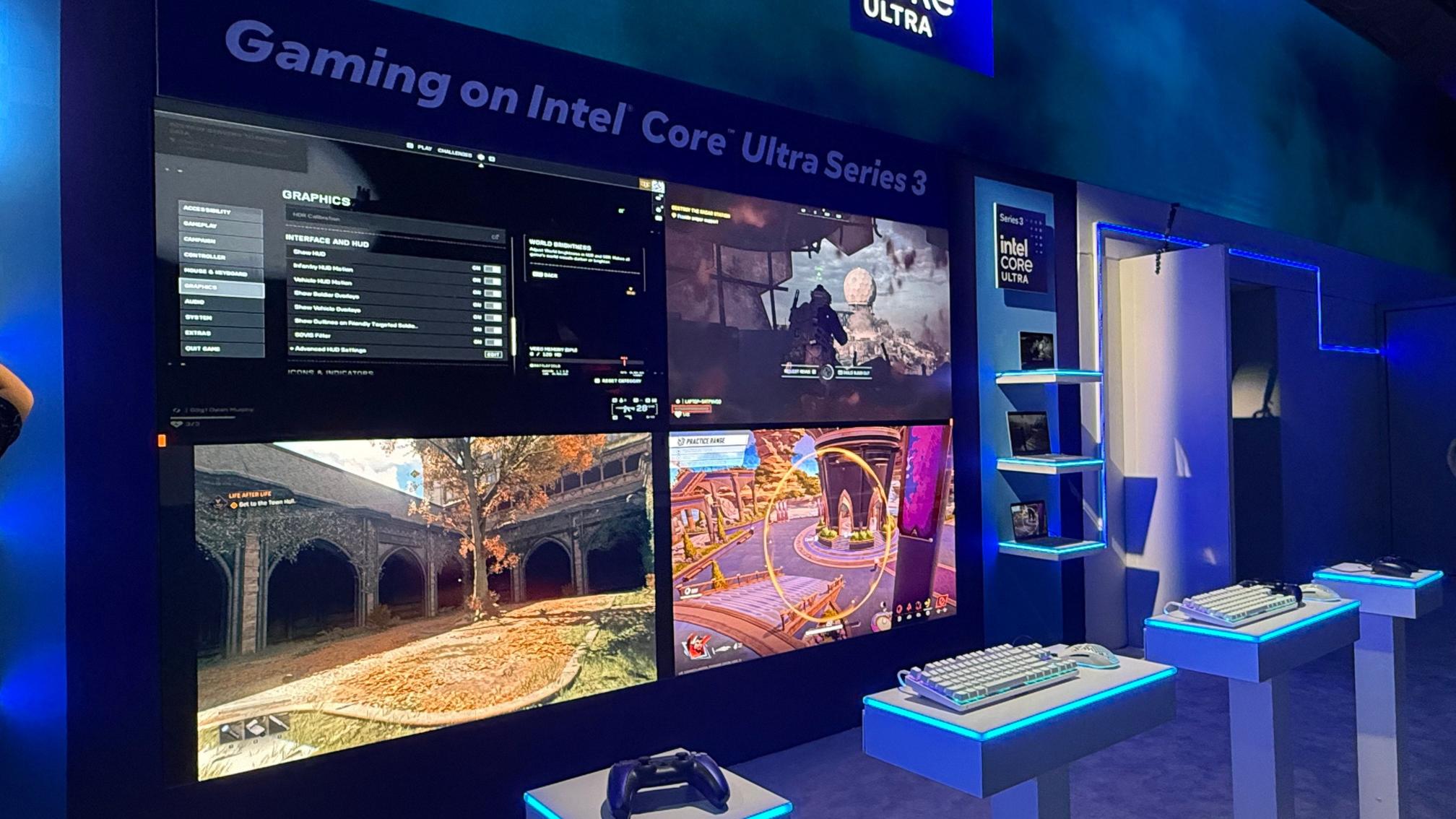
Intel has made significant strides in the handheld gaming market with the introduction of its Panther Lake chips at CES 2026. The highlight of the keynote was the announcement of the Intel Arc B390 iGPU, which boasts a 77% improvement in gaming performance compared to the previous Lunar Lake model, surpassing even the advancements made by AMD's RDNA technology. Intel's strategy involves creating a "handheld ecosystem" in partnership with major brands like MSI and Acer, which could reshape the market and drive competition against AMD. Additionally, Intel is developing the Core G3 processors tailored for handheld devices, ensuring optimized performance and solidifying its commitment to this growing sector. Gamers can expect enhanced gaming experiences as this rivalry between Intel and AMD evolves, ultimately benefiting consumers with better hardware.
nWhat new features should gamers expect from Intel's handheld ecosystem?Gamers can anticipate improved graphics performance, custom-designed processors for handheld devices, and partnerships with established gaming brands, all aimed at enhancing the overall gaming experience and driving competition against AMD.
Intel's Panther Lake chips and their new iGPU reflect a notable shift in the gaming hardware landscape, particularly in the handheld segment. Intel had previously struggled in this area, but improved partnerships and custom chips suggest a resurgence, signaling an exciting new era for portable gaming devices. As handheld gaming continues to gain traction, Intel's advancements may finally challenge AMD's position as the leader in the market, providing gamers with more versatile and powerful options for on-the-go gaming.


Jordan Keats
Jordan Keats is a former professional gamer turned journalist, whose competitive background gives them a unique perspective on esports and multiplayer games. Jordan's expertise in strategy and game mechanics is unmatched, offering readers a deeper understing.
Read more articles from Jordan Keats
Trending News


Comments
No comments yet. Be the first to comment!