
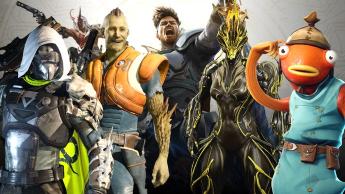
The recent launch of Highguard has ignited discussions regarding the criticisms surrounding live-service games. With Highguard being the standout reveal at The Game Awards, it faced harsh scrutiny as a new contender in an already skeptical market. Many live-service games have garnered distrust due to manipulative monetization tactics like loot boxes and battle passes, leading to a dichotomy of opinions on their existence. While some live-service titles have found success by focusing on player experience and engagement, others have faced backlash for exploiting players and prioritizing profits over creativity. This introspection invites gamers to rethink their stance on live-service games and whether they deserve a fresh slate despite historical failures.
Are we being too hard on live-service games?While skepticism is understandable given the history of exploitative practices in the live-service genre, it’s essential to recognize that not all live-service games are created equal. Some developers prioritize player engagement and satisfaction, providing lasting value rather than just short-term profits.
Highguard is developed by a team known for their work on Apex Legends, aiming to blend strategic gameplay with competitive elements. It highlights the potential for innovation in the live-service space, offering a hopeful outlook that not all such games are driven solely by corporate interests, but sometimes by passion and creativity from dedicated developers.



Casey Loh
Casey Loh is a tech-savvy writer who specializes in the intersection of gaming and technology. With a background in computer science, Casey brings a technical lens to her reviews, breaking down the nuts and bolts of game engines, graphics, and AI innovation.
Read more articles from Casey Loh



Comments
It's easy to get jaded by the usual live-service pitfalls, but seeing a passionate team behind a project like this gives me hope. Maybe the real loot box is the friends we make along the way—if the game actually respects our time.
It's wild how a single game can shift the conversation around an entire genre. Maybe we should judge each live-service title on its own merits instead of letting past disappointments cloud our excitement.