arcade.gov: the impact of racist games on gaming culture
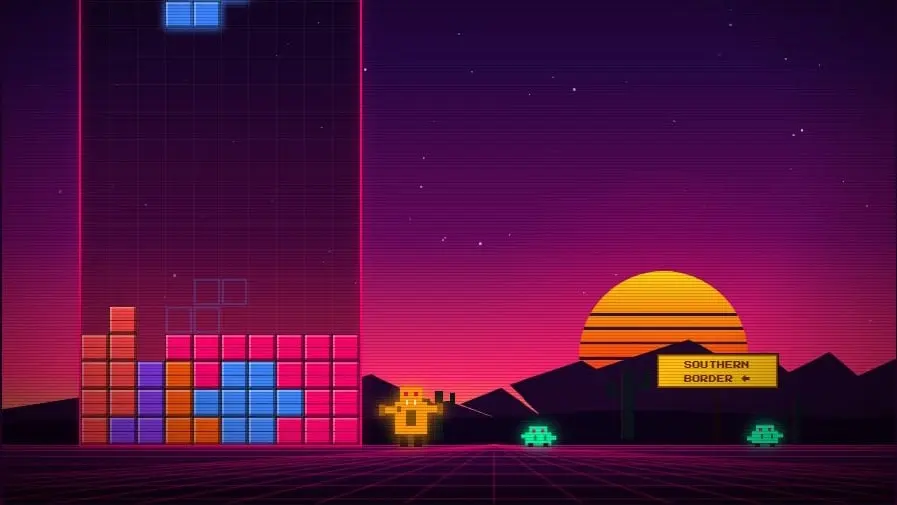
In brief
- Discover the controversial launch of arcade.gov by the White House, with games exploring racism and propaganda.
- One of the games, Rio Run, has players collect immigrants in orange jumpsuits, drawing heavy criticism.
- The White House's social media accounts are being criticized for the content of these games, which many find offensive.
GAME-scanner analysis
The White House's launch of arcade.gov is a notable move toward using gaming as a way to communicate political messages. The site includes games that not only borrow nostalgic elements from classic arcade titles like Snake and Tetris, but also controversial themes such as racism and deportation. This raises questions about the ethics of using games for political propaganda. Rio Run, a game that encourages players to collect immigrants, is a direct reflection of the current political rhetoric and policy under Donald Trump. Reactions to these games have been mixed, with widespread criticism from multiple sides, raising the question of whether this kind of content belongs on an official government website.
What does this mean for players?
For gamers and the wider community, the launch of arcade.gov could have a polarizing effect. On one hand, it may spark renewed interest in retro gaming; on the other, it could also create a backlash against games that deliver political messages in such a controversial way. This may force players to think more critically about the content they consume and the message it sends. The criticism on the White House's social media channels highlights growing concern over how games are being used in the political arena.
Timeline
September 3, 2026: arcade.gov launches with retro-style games.
September 4, 2026: Criticism grows over the games' content, especially Rio Run.
Sources
Video
Tags
Tags from source analysis
Extra labels detected when the story was ingested, alongside the published topic tags above.
More gaming news
All news
Takara Tomy unveils Zelda Historical Charms+ with The Wind Waker and 12 games

Jensen Huang on AI and basic math: Kotaku cites Nvidia chief
Ubisoft Milan worked on a Zelda spin-off with Ganondorf in 2023, Kotaku reports

WWE drops ‘Vice City’ trademark as Rockstar unveils $400 GTA 6 collection

The Division 2: Ubisoft shares trailer for Echoes of Central Park DLC

Saw: Genesis delayed to 2027 after Summer Game Fest demo
Saraab: Beyond the Veil gets a release date of 3 November 2026
Xbox update 22 September 2026: Share button, search and Manage queue fixed

PlayStation asks developers about physical game sales after backlash over discs