Glen Schofield over AI in games: kansen en uitdagingen
In brief
- Glen Schofield discusses AI’s impact on game development and why artists should embrace the technology.
Glen Schofield over AI in gameontwikkeling: kansen en uitdagingen
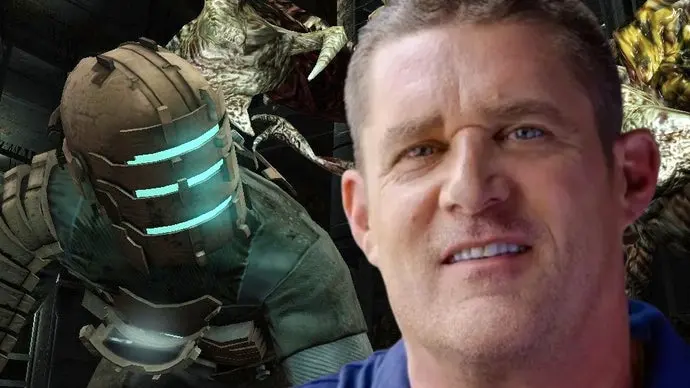
Glen Schofield, a prominent game developer and founder of Striking Distance Studios, shares his insights on the role of artificial intelligence (AI) in the games industry. Despite his concerns that AI will not replace human labor anytime soon, he encourages artists to embrace and learn the technology before it’s too late.
The role of AI in AAA games
Schofield acknowledges the growing speculation that it may soon be possible to develop AAA games with far fewer people thanks to AI technology. “I hear people say that you’ll soon be able to make a AAA game with 20 people through AI. I want to believe that, but when I’m working on one of my levels, I’m always making tiny adjustments. It’s about nuance,” Schofield said. He emphasizes that creating AAA games still requires significant human input. “Now imagine having to do that with the code, the art, and everything around it too. It’s a very nuanced process.”
He noted: “Creativity is essential in game development, and the tools AI provides can help. But I’m a game maker, not a tool maker. So I have to either buy or rent the technology, and it won’t be free. Everyone wants to recoup their investment, and some AI companies probably won’t survive. That means we’ll also need to hire AI specialists, and they’ll be expensive too.”
Why artists should embrace AI
Since the rise of technologies like motion capture, some artists have resisted new developments, believing these techniques threaten their jobs. Schofield points out that this mindset is no longer sustainable in a rapidly changing industry: “I’ve seen people leave because they were against technology. Some say it steals artists’ work. But that’s just the reality. It’s here now, and it’s too late to go back.”
Schofield calls for a proactive approach: “In five years, people will be coming out of school already familiar with AI, while artists sit back. The time to learn is now.”
Creativity over cost cutting
Schofield pushes back against the trend of cutting costs in game development. He says: “I always hear that we need to make development cheaper, spend less money, and do it with fewer people. But creativity is crucial in every part of development. We still need strong characters and assets to bring a game to life.”
While AI may help speed up the process, he worries about the impact these tools could have on creative workflows inside studios. He asks: “Will animators just go home now that their work is done faster? No! We’ll want to add even more to games because we now have more time.”
Timeline
2008: Glen Schofield serves as executive producer on the original Dead Space, laying the groundwork for his future work.
2022: Schofield develops The Callisto Protocol at Striking Distance Studios, intended as a spiritual successor to Dead Space.
2023: Schofield leaves Striking Distance after the disappointing reception of The Callisto Protocol, sharing his struggles in the industry.
With his extensive experience in the industry and his new perspective on AI, Schofield remains an important voice in the debate over the future of game development.
Sources
Tags
Tags from source analysis
Extra labels detected when the story was ingested, alongside the published topic tags above.
More gaming news
All news
Jensen Huang on AI and basic math: Kotaku cites Nvidia chief

Ubisoft Milan worked on a Zelda spin-off with Ganondorf in 2023, Kotaku reports
WWE drops ‘Vice City’ trademark as Rockstar unveils $400 GTA 6 collection

The Division 2: Ubisoft shares trailer for Echoes of Central Park DLC
Saw: Genesis delayed to 2027 after Summer Game Fest demo
Saraab: Beyond the Veil gets a release date of 3 November 2026

Xbox update 22 September 2026: Share button, search and Manage queue fixed

PlayStation asks developers about physical game sales after backlash over discs
Mike P. Nelson to direct next Saw film with Gregory Weidman and Geoff Tock