Nintendo's pricing strategy: why games are never discounted
In brief
- Discover Nintendo’s unique pricing strategy and how the company handles game prices and discounts.
Nintendo's pricing strategy: why games are never discounted
Nintendo is known for its unique pricing strategy, with most games rarely or never seeing a discount after launch. The policy is rooted in the company’s philosophy of delivering complete, finely balanced games from day one. Reggie Fils-Aimé, former president of Nintendo of America, recently commented on this approach during an appearance at the NYU Game Center.
The philosophy behind the pricing
Fils-Aimé spoke about Nintendo’s so-called “Kyoto craftsmanship” and explained that the company treats its games not just as merchandise, but as works of art. He said: “The Nintendo mentality is that we ship a game complete. It’s ready to play, there’s no day-one update that takes three hours. That’s their way of thinking. We’re going to make the best games, and the result is that we don’t discount our games.”
That mindset has helped keep titles like The Legend of Zelda: Breath of the Wild from ever being permanently discounted since launch. The game held its $60 price tag for years, and the same has been true for many other Nintendo first-party releases.
Prices of recent Nintendo games
Fils-Aimé pointed to The Legend of Zelda: Breath of the Wild as the first Nintendo game to launch at $70, a trend that continued with its sequel, Tears of the Kingdom. Donkey Kong Bananza on Switch 2 was also offered at a similar price. Unlike traditional pricing strategies at other companies, where post-launch discounts are common, Nintendo has chosen to avoid that approach.
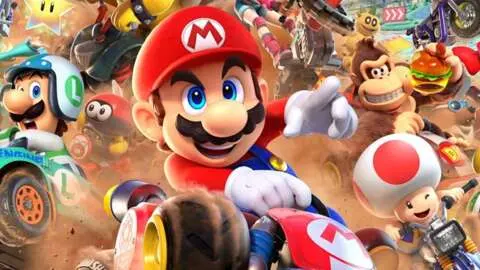
There are, however, signs that Nintendo may be evolving its pricing model. The introduction of Mario Kart World as one of the few titles priced at $80 suggests the company may be experimenting with variable pricing. It’s an interesting shift for consumers, many of whom are asking whether the higher price is justified.
Timeline
2026-05-05: Reggie Fils-Aimé shares insights on Nintendo’s pricing policy during a lecture at the NYU Game Center.
2026-05-06: Fils-Aimé explains that Nintendo ships games complete and therefore does not offer discounts.
2026-xx-xx: Nintendo introduces Donkey Kong Bananza on Switch 2 with a $70 pricing strategy.
The challenge of the current pricing model
Fils-Aimé also stressed that the current market calls for a more dynamic pricing model. He noted that strategic thinking around pricing is essential for Nintendo’s future. That could mean the company may need to move away from existing price structures in order to stay relevant in a rapidly changing industry. He said, “I say this with a lot of passion. In the modern era, you have to think differently.”
Whether Nintendo will continue to depart from its traditional pricing strategy remains uncertain, but the debate over the value of its games and pricing fairness is sure to continue. It’s clear that Nintendo, with its focus on quality and completeness, is carefully trying to maintain its market position while adapting to new challenges.
Conclusion
Nintendo’s pricing strategy is both intriguing and controversial. On one hand, the company sticks to its principles of quality and complete experiences; on the other, it raises questions about the sustainability of that approach. As the gaming industry continues to evolve, it will be interesting to see how Nintendo adjusts its strategy and whether its game prices will ever change.
Sources
Video
Media
Tags
More gaming news
All news
Cyberpunk 2077 reportedly runs on iPhone 17 Pro Max in fan project

Meta Connect 2026 on September 29: keynote at 11:00 p.m. Dutch time
Activision develops next Halo game after 268 Xbox layoffs
Warhammer 40,000: Dawn of War 4 gameplay: Jan Theysen and Elliott Verbiest lose 2v2 against Hard AI Orks
Tim Schafer on Xbox restructuring and the game industry: ‘I don’t understand the economy anymore’
Roy Lee linked to new Silent Hill film in IGN report on WSJ feature
Daredevil: Born Again ends with season 3, according to reports
Madison Beer comes to Fortnite: 2 outfits, Victoria’s Secret look and release on September 24
Steven Adams says GTA 6 on 19 November 2026 could distract pro sports in November