Pc motherboard sales in free fall
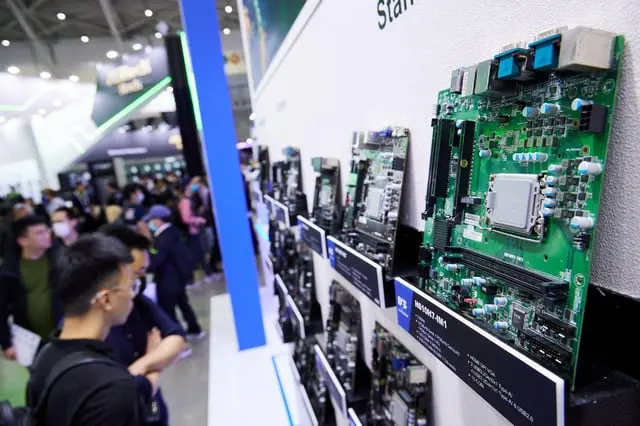
Consumer PC motherboard sales have fallen as CPU, RAM, and other component prices rise, hitting the market hard.
Pc motherboard sales in free fall
Over the past few months, consumer PC motherboard sales have dropped sharply. The reasons behind the slump are complex, but they are mainly tied to significant price increases for central processing units (CPUs), graphics processing units (GPUs), memory (RAM), and solid-state drives (SSDs), driven by demand for artificial intelligence (AI).
Causes of the sales decline
Rising costs for essential components have led to a downturn in both desktop PC and notebook sales. Supply chain reports indicate that the four largest Taiwanese motherboard manufacturers have lowered their shipment targets for 2026. The situation is more severe than during the Great Recession and the early years of the COVID-19 pandemic.
Specifically, two crucial elements — CPUs and RAM — are the main culprits behind the drop in motherboard demand. With NVIDIA GPU upgrades and refreshes slowing down, gamers’ willingness to buy new hardware has fallen even further.
Impact on motherboard manufacturers
ASUS, one of the biggest players in the market, is trying to maintain its position by defending its target of 10 million motherboards sold. However, MSI and Gigabyte have already seen sales fall below 10 million units, with year-over-year declines of around 25%. Meanwhile, ASRock is dealing with an estimated shipment drop of more than 30%.
Timeline
2026-05-08: Consumer PC motherboard sales hit their lowest point, below levels seen during the Great Recession and in 2020.
2025: The four major Taiwanese motherboard manufacturers lower their 2026 shipment targets due to declining sales.
2022: Demand for consumer PCs and components falls, partly due to the effects of the COVID-19 pandemic.
Future of the market
The outlook for the global PC market is bleak. Experts warn that the sector, which had only just begun to recover, could slip back into recession in 2026. Ongoing shortages of memory and CPUs will continue to weigh on motherboard demand, affecting both manufacturers and consumers.
As the market adjusts to this new reality, manufacturers will need to find innovative ways to optimize the production and distribution of PC components. Adapting to emerging trends in gaming and computing, including the use of AI technologies, will be crucial for their survival.