Reggie Fils-Aimé points to Wii U’s failure due to slow exclusive releases
In brief
- Nintendo’s Reggie Fils-Aimé explains the Wii U’s failure was driven by slow exclusive releases and pressure from competitors.
Reggie Fils-Aimé points to Wii U’s failure due to slow exclusive releases
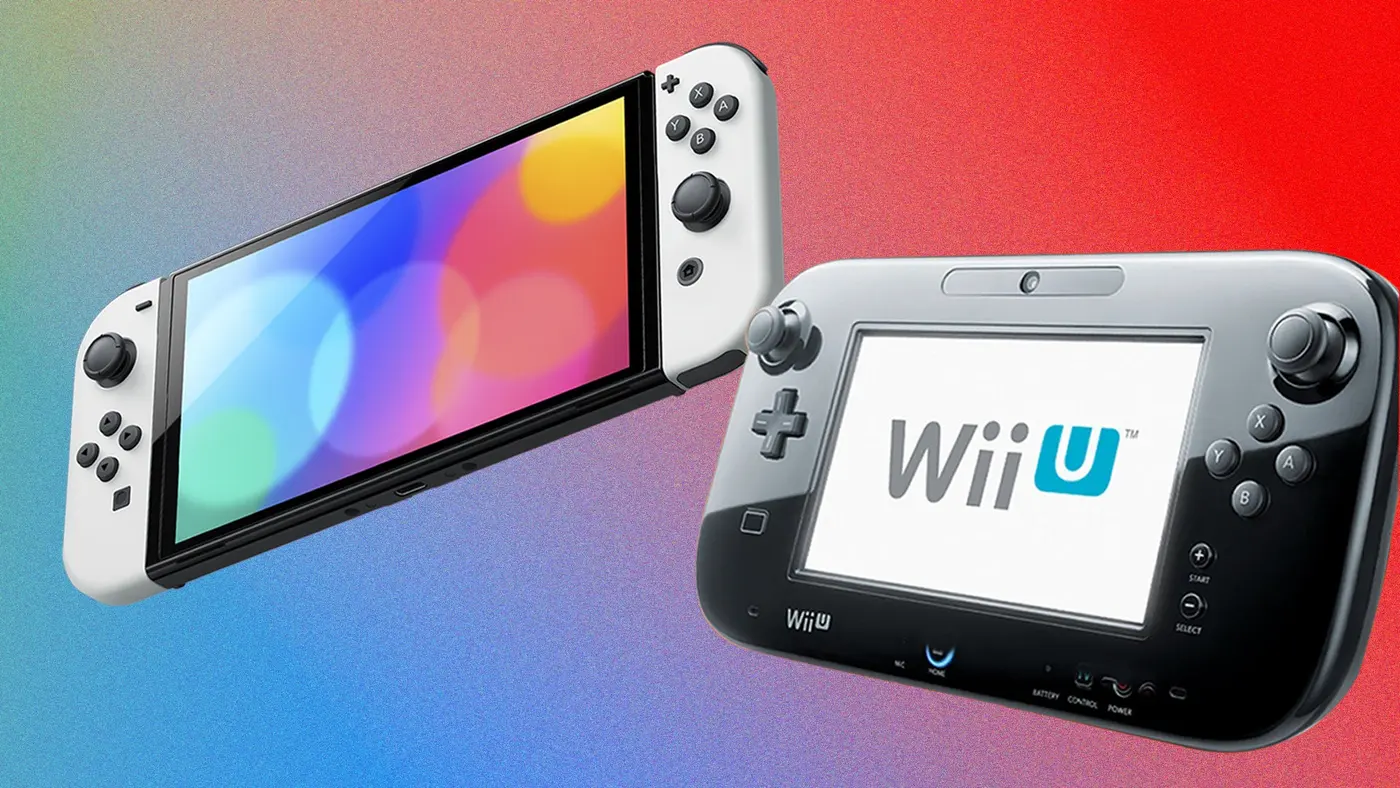
Reggie Fils-Aimé, Nintendo of America’s former president, recently discussed the reasons behind the Wii U’s failure. During a Q&A event at the NYU Game Center, Fils-Aimé said the slow rollout of new exclusives such as Smash Bros., Mario Kart, and Splatoon was a major reason for the console’s disappointing sales. Nintendo also had to contend with competition from Xbox and PlayStation.
Fils-Aimé stressed that the Wii U was Nintendo’s second-worst-performing console in history, with only the Virtual Boy doing worse. When asked about the Wii U, he asked the audience how many people had bought one and was surprised by how many hands went up. He called the response “shocking.”
Fils-Aimé described the Wii U as being on “life support” and said Nintendo was forced to react quickly once it became clear the console would not achieve the success it needed. That led to major strategic changes, including pulling one of the two Wii U versions from the market. In the years that followed, Nintendo also launched the popular NES and SNES microconsoles to help boost hardware sales.
Slow rollout of exclusives
According to Fils-Aimé, the Wii U’s image as an innovative device was not enough to convince the public. The combination of the traditional TV experience and the GamePad gameplay element had potential, but the supporting software ecosystem did not arrive quickly enough. “We had the impression that we were doing well in the first few years, but as consumers looked toward the next generation of consoles from Sony and Microsoft, our sales stalled,” he said.
Fils-Aimé noted that the most anticipated games, including Smash Bros., Mario Kart, and Splatoon, did not arrive in time, which contributed to the negative perception and lower sales of the console. After the second year, it became increasingly clear that the Wii U would not deliver the commercial success the company needed.
Commercial strategies to support sales
Nintendo’s management came under pressure to make costly corrections. Fils-Aimé said the commercial team’s decision-making focused on both retailers and customers. He explained that opinions changed about the two SKUs launched with the Wii U; the white version with less storage was pulled from sale because it was not delivering the desired return.
To boost sales, Nintendo also focused on digital game releases, which led to closer collaboration with independent developers. This marked the beginning of a new phase for Nintendo, laying a strong foundation for future success with the Switch.
Timeline
2016-03: Fils-Aimé is in a crucial meeting in Japan with former Nintendo president Iwata, where the creation of the Nintendo Switch is discussed.
2016-05: Fils-Aimé discusses the impact of the Wii U and the success of the Switch during a Q&A event in New York.
2026-05-05: Fils-Aimé again points to the Wii U’s failure and the challenges surrounding it in a recent interview.
Nintendo’s future and lessons learned
Fils-Aimé set the tone for Nintendo’s future by noting that the Switch’s success came from lessons learned from the Wii U’s failure. The Switch, which launched in 2017, has since been hugely successful; more than 155 million units have been sold.
Even so, the Wii U remains an important lesson for Nintendo, showing how essential it is to meet consumer expectations and ensure timely releases of exclusive titles in order to stay competitive in the fast-moving games market.
Sources
Tags
More gaming news
All news
Jensen Huang on AI and basic math: Kotaku cites Nvidia chief

Ubisoft Milan worked on a Zelda spin-off with Ganondorf in 2023, Kotaku reports
WWE drops ‘Vice City’ trademark as Rockstar unveils $400 GTA 6 collection

The Division 2: Ubisoft shares trailer for Echoes of Central Park DLC

Saw: Genesis delayed to 2027 after Summer Game Fest demo

Saraab: Beyond the Veil gets a release date of 3 November 2026
Xbox update 22 September 2026: Share button, search and Manage queue fixed
PlayStation asks developers about physical game sales after backlash over discs
Mike P. Nelson to direct next Saw film with Gregory Weidman and Geoff Tock