Subnautica 2: early access and technologies from the deep
In brief
- Discover Subnautica 2 in early access from May 14, 2026. Explore bioluminescent oceans and modern deep-sea tech.
Subnautica 2: early access and technologies from the deep
The long-awaited sequel to the popular survival game Subnautica 2 is getting closer, with early access on the way. Developed by Unknown Worlds Entertainment, the game will be available to players on 14 May 2026. With its breathtaking bioluminescent oceans, this title once again promises an exciting underwater adventure.
Timeline
7 May 2026: Publication of an article about the scientific impact of the technologies used in Subnautica 2.
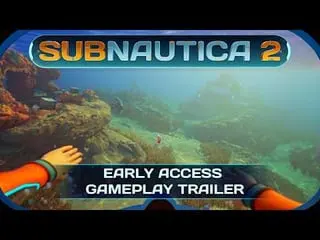
9 May 2026: Release of the gameplay trailer for Subnautica 2 early access.
14 May 2026: Early access begins for players on multiple platforms.
Early access and gameplay
Subnautica 2 offers a unique experience in which players can once again explore the underwater world, this time with new elements and gameplay mechanics that make the experience even more engaging. As mentioned earlier, early access begins on 14 May 2026, giving gamers the chance to test the new features and share feedback with the developers.
In addition, Game Pass lets players explore these fictional alien oceans without needing to buy the game, making it more accessible to a wider audience.
Technological overlap with the real world
Subnautica 2 has an interesting parallel with the real world, especially in the technological developments around deep-sea mining. Researchers and companies are using advanced technologies to extract minerals from the ocean floor, similar to the tactics players use in the game. This has led to innovations such as the use of robotic submersibles and ROVs (Remotely Operated Vehicles) to navigate around metal nodules.
This technical equipment, which resembles the Prawn Suit from the game, has changed the way minerals are extracted. These alternative methods use gaming technology to increase the precision of underwater navigation.
Impact on the game industry
The hype around Subnautica 2 is also affecting other games in the industry. Games may be forced to reconsider their release dates because of the title’s popularity and the changes it brings to the player experience. This could signal a shift in community dynamics, putting more games in the spotlight and increasing competition.
Conclusion
Subnautica 2 promises not only an exciting experience for gamers, but also a fascinating look at the overlap between gaming and the real world. With early access set to begin in a few weeks, players can prepare to dive back into the seas of this new world and learn more about the technological innovations behind this unique experience.