Zelda 2 deserves better
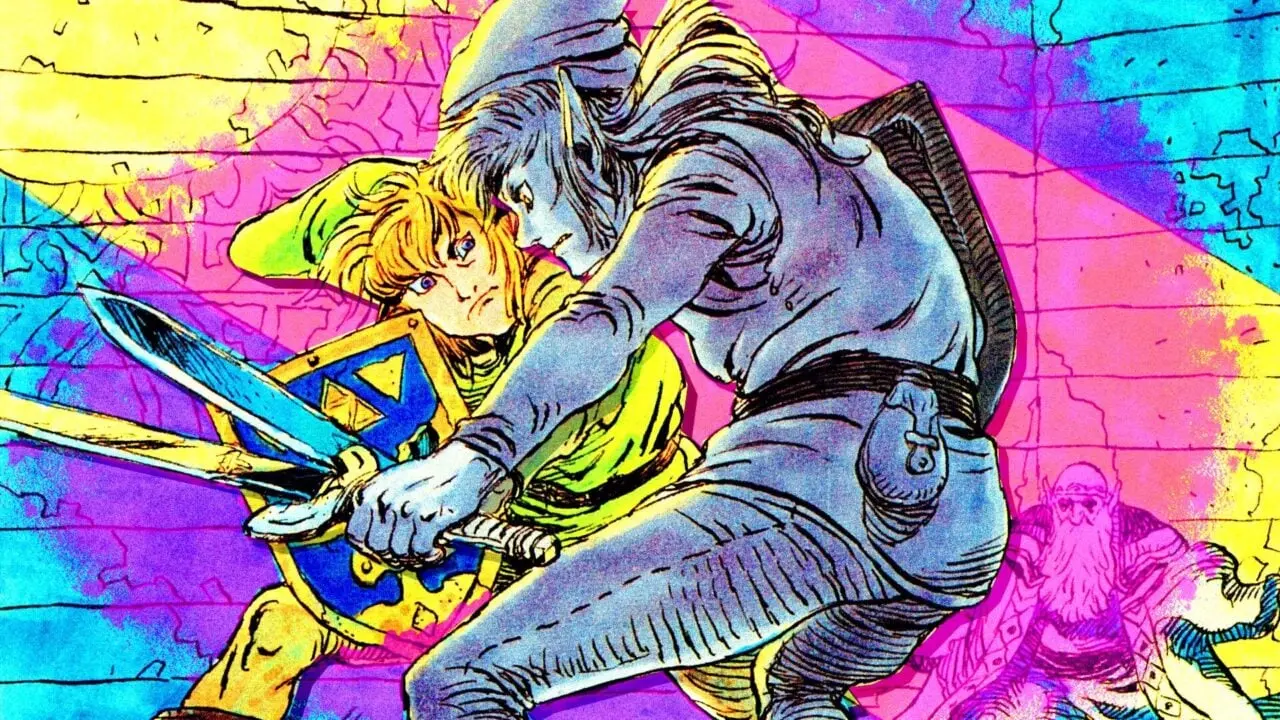
A deep dive into the history and influence of Zelda 2 in the gaming community.
Zelda 2 deserves better
On May 8, 2026, an article reignited the debate around Nintendo and the reception of disproportionately judged games, specifically "Zelda 2: The Adventure of Link." The author argues that, while Nintendo remains one of the top three console makers, perceptions of this particular game have changed dramatically in recent years. This piece looks back at the game’s history and the role critics have played in shaping the reception of Nintendo’s titles.
The evolution of Zelda 2
“Zelda 2” was released in 1987 and was seen as a bold step for the franchise. The game was well received at the time, but criticism from the development side eventually contributed to a decline in its popularity. Shigeru Miyamoto, the series’ co-designer, long regarded the game as a failure, a view that has cast a shadow over its legacy. In interviews, Miyamoto has suggested that "A Link to the Past" is the true successor to the original "The Legend of Zelda," which raises a renewed perspective on how sequels can be built around a different gameplay structure.
In recent years, however, players have developed a certain appreciation for the unique elements of “Zelda 2.” An open world and a sense of adventure are central here, much like in later titles such as "Breath of the Wild." That raises questions about what defines a franchise: the opinion of critics, the voice of the fanbase, or the vision of the developers?
Timeline
1987: "Zelda 2: The Adventure of Link" is released for the NES.
2003: Shigeru Miyamoto describes the game as a "failure" in an interview published in Superplay.
2026-05-08: Article published discussing the modern value and impact of "Zelda 2."
Miyamoto’s intent
Miyamoto’s view of "Zelda 2" as a failure is striking, especially since the game was originally popular. Its focus on technical refinement and mechanics that demanded attention showed that the developers were still trying to define the series’ direction. That created a gap between what players expected and what the game actually delivered.
The idea of "Zelda 2" as a different kind of adventure from both its predecessor and its successor is key to understanding the franchise’s evolution. The game introduced new gameplay elements, such as RPG mechanics and side-scrolling action, that were far from standard at the time and went against the traditional top-down approach.
The current relevance of Zelda 2
In today’s gaming industry, the question remains whether Nintendo’s approach to sequels is the right one. The changes in the franchise, including the shift toward open-world gameplay, have satisfied many fans. Still, the desire for a "true" follow-up to the successful "Breath of the Wild" and "Tears of the Kingdom" is understandable. Criticism and expectations can place heavy pressure on the team responsible for developing new titles.
Even so, games like “Zelda 2” could serve as inspiration for creating new experiences that stay close to the line of mystery and discovery that players once felt. The idea that every game in the franchise can and should have a unique identity may need to be reconsidered if Zelda is to keep evolving.
Conclusion
“Zelda 2: The Adventure of Link” is a game deeply rooted in Nintendo history, yet too often it has been cast in the shadow of critics and developers. The discussion around the game opens up a broader conversation about what it means to stay true to a franchise and how that loyalty is weighed against innovation. The hope that future Zelda entries will bring something new and surprising, allowing the series’ identity to continue growing, remains a driving force within the gaming community.
Perhaps, with a fresh look at Miyamoto’s unfinished ideas around "Zelda 2," future Nintendo games can strike a balance between the familiar elements of the franchise and the exploration of uncharted territory.