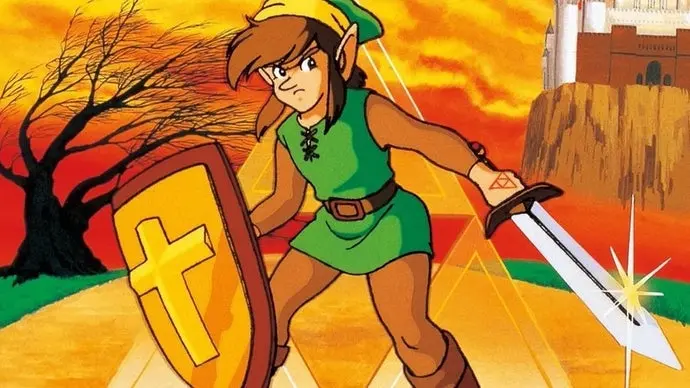
Zelda 2 and A Link to the Past: the real successor
In brief
- Discover Miyamoto’s take on Zelda 2, A Link to the Past’s role as the true sequel, and how the Zelda series evolved.
Introduction
The debate around the Zelda series and its evolution has come back into the spotlight, especially regarding the status of Zelda 2: The Adventure of Link and its successor, A Link to the Past. Legendary game designer Shigeru Miyamoto recently shared his thoughts on these titles, expressing doubts about the second game and describing A Link to the Past as the true successor to the original The Legend of Zelda.
The facts about Zelda 2 and its reception
Zelda 2: The Adventure of Link, released in 1987, was presented by Nintendo as the direct follow-up to The Legend of Zelda. Despite being a commercial success, it did not live up to the high expectations set by the hugely successful original. That disappointment has fueled long-running criticism of the game. IGN even called it the Zelda series’ “bastard stepchild,” underlining just how sensitive the title remains among fans of the franchise.
Miyamoto, who shared his view on Zelda 2 in 2003, admitted that the game was his original idea, but said the result did not meet his expectations: “It was kind of a failure,” Miyamoto said. He noted that development on the game did not show the same progress as other titles he had produced, because the team did not come up with fresh ideas. As a result, the game remained relatively static during development.
A Link to the Past: the real successor
Miyamoto also clarified that Nintendo considers A Link to the Past to be the true successor to The Legend of Zelda. Released in 1991 for the Super Nintendo Entertainment System (SNES), the title is widely praised for its gameplay innovations and story structure. With A Link to the Past, the series returned to its roots and created a foundation for future entries in the franchise.
While Zelda 2 was seen as something of a side story, A Link to the Past offers a deeper, more accessible experience that stays true to the philosophy of the first game. That helped cement its lasting popularity and its influence on the gaming industry as a whole.
Timeline
1987: Zelda 2: The Adventure of Link is released as a direct sequel to The Legend of Zelda.
2003: Shigeru Miyamoto says Zelda 2 was “kind of a failure” and that A Link to the Past is the “real” successor.
2026-05-05: The 40th anniversary of The Legend of Zelda is celebrated, with reflections on the franchise’s impact and evolution.
2026: Rumors circulate about a remake of Zelda: Ocarina of Time, alongside an upcoming live-action film scheduled for May 7, 2027.
The impact of A Link to the Past
A Link to the Past not only set a new standard for the Zelda series, but also for the action-adventure genre. Its mix of open-world exploration, puzzles, and a compelling story delivered a rich gameplay experience that inspired a huge number of sequels and spin-offs. The game’s influence can still be seen in later titles such as The Legend of Zelda: Breath of the Wild.
This shows how important developers’ choices are, and how those choices can shape long-term reception among both critics and players.
Conclusion
The development of the Zelda series illustrates the evolution of gaming as a medium. Miyamoto’s recognition of A Link to the Past as the true successor to The Legend of Zelda speaks to the complexity of game development and the unpredictability of audience reactions. While Zelda 2 can in many ways be seen as an unfairly treated entry in the franchise, A Link to the Past helped clarify the series’ direction and secure its place in video game history.
Sources
Tags
More gaming news
All news
Robert Pattinson and Joker fancasting after Primetime and 9/10 IGN review
The Conjuring: Unspoken verschijnt in October 2026 op Netflix

Ace Combat 8: Wings of Theve appears on 2 October 2026 according to Kotaku

Madison Beer komt naar Fortnite met 2 skins en Victoria’s Secret-look

WWE lets Vice City trademark lapse as GTA 6 marketing ramps up
Rockstar updates modding guidelines: limits on canon mods and cross-game content
Marvel Tokon: Fighting Souls: Steam figures and sales estimates spark debate
Fire Emblem: Fortune’s Weave criticized for dialogue and tutorials
Prince of Persia: The Lost Crown gets free trial on Nintendo Switch Online from September 24